| Researching
World War II
Unit
Histories, Documents
Monographs, Books and Reports on CD
PDF Remastered and Keyword Searchable
|
|
|
|
5th
Infantry
" Red Diamond"
"Red Devils"
Division
|
|
|

2nd Infantry
" Ramrods"
Regiment
History
|

10th Infantry
"Courage and Fidelity"
Regiment
History
|

11th Infantry
"Wandering 11th"
Regiment
History |
Order of Battle
|
|
2nd
Infantry Regiment
10th Infantry Regiment
11th Infantry Regiment
19th Field Artillery
Battalion
21st Field Artillery
Battalion
46th Field Artillery
Battalion
50th Field Artillery
Bn.
5th Medical Bn.
7th Combat Engineers
5th Quartermaster Company
5th Signal Company
5th Reconnaissance Troop
705th Ordnance Company
449th AAA.-AW. Bn
735th Tank Bn.
737th Tank Bn.
803d Tank Destroyer
Bn.
818th Tank Destroyer
Bn. |
Casualties
KIA or DOW 2,659
Wounded 9,153
Missing 1,050
Captured 101
Prisoners
Captured
71,002
Commanders
| Maj.
Gen. Cortlandt Parker |
Aug
41 - Jun 43 |
| Maj.
Gen. Stafford Leroy
Irwin |
Jun
43 - Apr 45 |
| Maj.
Gen. Albert E. Brown |
Apr
45 - Jun 46 |
Campaigns
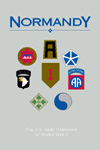
Normandy
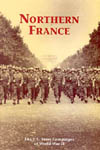
Northern France
Rhineland
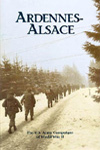
Ardennes-Alsace
Central Europe
|
Days
of Combat
300
Medals
| Medal
of Honor |
1 |
| Distinguished
Service Cross |
34 |
| Silver
Star |
602 |
| Soldiers
Medal |
10 |
| Bronze
Star Medal |
2,066 |
|
| |

|
1939 |
16
Oct - |
The
5th Infantry Division was reactivated
at Fort McClellan, Alabama. |
|
1942 |
- |
The division
was sent to Iceland to relieve
British troops occupying this
vital link on the Atlantic convoy
routes. |
|
1944 |
9
Jul - |
The division
landed on Utah Beach. |
|
|
13
Jul - |
The division
took up defensive positions in
the vicinity of Caumont. |
|
|
26
Jul - |
The division
launched a successful attack at
Vidouville. |
|
|
9
Aug - |
The division
drove on southeast of Saint-Lô,
attacked and captured Angers. |
|
|
18
Aug - |
The division
captured Chartres and pushed to
Fontainebleau. |
|
|
24
Aug - |
The division
crossed the Seine at Montereau. |
|
|
30
Aug - |
The division
crossed the Marne and seized Reims
and positions east of Verdun. |
|
|
7
Sep - |
The division
then prepared for the assault
on Metz. |
|
|
15
Sep - |
A bridgehead
was secured across the Moselle,
south of Metz, at Dornot and Arnaville. |
|
|
16
Sep - |
The division
continued operations against Metz. |
|
|
16
Oct - |
The division
withdrew. |
|
|
9
Nov - |
The division
returned to the assault. |
|
|
22
Nov - |
Metz was reduced
after a heavy, 10-day battle. |
|
|
4
Dec - |
The division
crossed the German border. |
|
|
5
Dec - |
The division
captured Lauterbach. |
|
|
6
Dec - |
Elements reached
the west bank of the Saar River
before the division moved to assembly
areas. |
|
|
16
Dec - |
The Germans launched
their winter offensive. |
|
1945
|
18
Dec - |
The 5th division
was thrown in against the southern
flank of the Bulge. |
|
|
Feb
- |
The division
drove across and northeast of
the Sauer, cracked through the
Siegfried Line. |
|
|
22
Mar - |
The division
reached and crossed the Rhine. |
|
|
27
Mar - |
The division
continued on to Frankfurt-am-Main,
clearing and policing the town
and its environs. |
|
|
Apr
- |
The division
took part in clearing the Ruhr
Pocket. |
|
|
1
May - |
The division
drove across the Czechoslovak
border, reaching Volary and Vimperk
as the war in Europe ended. |
|
1946
|
20
Sep - |
The division
was inactivated. |
|
|
|
|
5th Infantry Division
in World War II
CD
1
Open all files from
the folders on the CDs
Install Adobe
Acrobat PDF Reader from CD 1 |
| |
|
| |
5th Infantry
" Red Diamond"
"Red Devils"
Division |
|
5th Infantry Division History
| The
5th Infantry Division was reactivated
on 16 October 1939
at Fort McClellan, Alabama under
the command of Brigadier General
Campbell Hodges.
It
was sent to Iceland in 1942, under
the command of Major General Cortlandt
Parker to relieve British troops
occupying this vital link on the
Atlantic convoy routes.
Now
commanded by Major General Stafford
L. Irwin the 5th Infantry Division
landed on Utah Beach, 9 July 1944
and 4 days later took up defensive
positions in the vicinity of Caumont.
Launching a successful attack at
Vidouville 26 July, the division
drove on southeast of Saint-Lô,
attacked and captured Angers, 9–10
August, captured Chartres, (assisted
by the 7th Armored Division), 18
August, pushed to Fontainebleau,
crossed the Seine at Montereau,
24 August, crossed the Marne and
seized Reims, 30 August, and positions
east of Verdun.
The division then prepared for the
assault on Metz, 7 September. In
mid-September a bridgehead was secured
across the Moselle, south of Metz,
at Dornot and Arnaville after two
attempts. The first attempt at Dornot
by the 11th Regiment failed. German-held
Fort Driant played a role in repulsing
this crossing. A second crossing
by the 10th Regiment at Arnaville
was successful.
The division continued operations
against Metz, 16 September-16 October
1944, withdrew, then returned to
the assault on 9 November. Metz
finally fell 22 November. The division
crossed the German border, 4 December,
captured Lauterbach on the 5th,
and elements reached the west bank
of the Saar River, 6 December, before
the division moved to assembly areas.
On
the 16th of December the Germans
launched their winter offensive,
and on the 18th the 5th was thrown
in against the southern flank of
the Bulge, helping to reduce it
by the end of January 1945.
In February and March, the division
drove across and northeast of the
Sauer, cracked through the Siegfried
Line, reached and crossed the Rhine,
22 March, and continued on to Frankfurt-am-Main,
clearing and policing the town and
its environs, 27–29 March.
In April the division, under Major
General Albert E. Brown took part
in clearing the Ruhr Pocket and
then drove across the Czechoslovak
border, 1 May, reaching Volary and
Vimperk as the war in Europe ended.
The
division was inactivated on 20 September
1946.
|
| |
|
|
2nd
Infantry
"Ramrods"
Regiment |
|
2nd Infantry Regiment History
1939
|
16
Oct - |
Stationed
at Ft Wayne, Mich., as part of the
6th Division until assigned to the
5th Division on 16 Oct 39. |
|
|
3
Nov - |
Transferred
to Ft. McClennan, Ala. |
| 1940 |
11
Apr - |
Transferred to
Ft. Benning, Ga. |
|
11
May - |
Transferred to
Camp Beauregard, La. |
|
1
Jun - |
Returned to Ft.
Wayne, Mich. |
|
25
Sep - |
Sent to Fort Custer,
Mich. |
| 1941 |
|
|
| 1942 |
10
Jan - |
Staged at New York
P/E . |
26
Feb - |
Departed. |
3
Mar - |
Arrived Iceland
for security duty. |
| 1943 |
9
Aug - |
Arrived England. |
| 1944 |
9
Jul - |
Landed in France. |
| 1945 |
8
Feb - |
Entered Germany |
18
Jul - |
Returned to New
York P/E |
22
Jul - |
Moved to Camp Campbell,
Ky. |
| 1946 |
- |
Active thru 1946. |
| In
1939 prior to World War II, the
2nd Infantry Regiment was assigned
to the 5th Infantry Division.
In February 1942 the regiment
was sent to Iceland for training,
to provide security for U.S. bases
located there, and to load and
unload supply ships. It was then
sent to England and then Ireland
for training.
In July 1944 the
2nd Infantry Regiment along with
the 5th Infantry Division landed
in Normandy, France. It became
part of General George Patton's
Third United States Army, leading
the way in the breakout from the
beaches of Normandy in Operation
Cobra, capturing Rheims and then
seized Metz after a major battle
at Fort Driant.
On 13 July 1944
SSGT Robert Bass was killed by
enemy artillery fire. He was the
first member of the 2nd Infantry
and also the 5th Division killed
in action in the war.
When the Battle of the Bulge
began the 2nd Infantry Regiment
moved to the battle zone in the
area of Nideranven, Luxembourg.
In January 1945 the 2nd Infantry
Regiment forced a crossing of
the Sauer River and attacked into
the Siegfried Line. The regiment
then crossed the Rhine River near
Oppenheim and secured the crossing
for other Third Army units.
The unit then spearheaded the
attack into Czechoslovakia and
was located near the town of Volary
when the word came to cease all
forward movement at 08:31 on the
7th of May 1945.
In 276 days of combat the regiment
captured 275 cities and towns,
crossed 20 rivers, and captured
22,103 of the enemy. The regiment
suffered 906 killed, 2,736 wounded
and 295 missing or prisoner of
war. 12 Distinguished Service
Crosses, 184 Silver Stars and
664 Bronze Stars were awarded
to soldiers of the regiment.
|
| |
|
|
10th
Infantry
"Courage
and Fidelity"
Regiment |
|
10th Infantry Regiment History
1939
|
- |
Stationed
at Ft. Thomas, Ky. as part of the
5th Division. |
|
|
7
Nov - |
Moved
to Ft. McClennan, Ala. |
| 1940 |
9
Apr - |
Transferred to
Ft. Benning, Ga. |
|
11
May - |
Transferred to
Camp Beauregard, La. |
|
1
Jun - |
Returned to Ft.
Thomas, Ky. |
|
3
Dec - |
Relocated to Fort
Custer, Mich. |
| 1941 |
1
Sep - |
Staged at Camp
Kilmer, NJ. |
5
Sep - |
Departed New York
P/E. |
16Sep
- |
Arrived Iceland
for security duty. |
| 1943 |
9
Aug - |
Arrived England. |
| 1944 |
9
Jul - |
Landed in France. |
| 1945 |
8
Feb - |
Entered Germany. |
18
Jul - |
Returned to New
York P/E. |
22
Jul - |
Moved to Camp Campbell,
Ky. |
| 1946 |
20
Sep - |
Inactivated. |
| |
|
|
11th
Infantry
"Wandering
11th"
Regiment |
|
11th Infantry Regiment
History
1940
|
- |
Stationed
at Ft. McClennan, Ala.as part of
the 5th Division. |
| |
7
Apr - |
Moved to Ft. Benning,
Ga. |
|
11
May - |
Transferred to
Camp Beauregard, La. |
| |
31
- |
Transferred to
Fort Benjamin Harrison, Ind. |
| 1941 |
6
Jan - |
Relocated to Fort
Custer, Mich. |
| |
Apr
- |
Dispatched Companies
to Bermuda and Trinidad. |
| 1942 |
3
Apr - |
Staged at Camp
Kilmer, NJ. |
| |
7
Apr - |
Departed New York
P/E. |
| |
16
Sep - |
Arrived Iceland
for security duty. |
| 1943 |
9
Aug - |
Arrived England. |
| 1944 |
9
Jul - |
Landed in France. |
| 1945 |
8
Feb - |
Entered Germany. |
|
20
Jul - |
Arrived Boston
P/E. |
|
23
Jul - |
Moved to Camp Campbell,
Ky. |
| 1946 |
20
Sep - |
Inactivated. |
In
1939, the 11th joined the 5th
Division at Fort McClellan, Alabama
and by 1942 was on its way to
Iceland and remained there for
15 months until the regiment,
and the division, moved to England.
The regiment landed
in Normandy on 10 July 1944 and
fought its way across France as
part of the 5th Infantry Division,
which was assigned to General
Patton's famed Third Army. The
11th Infantry played a prominent
role in the reduction of the fortified
city of Metz in the fall of 1944.
During the Battle
of the Bulge, the 11th counter-attacked
into the southern portion of the
Bulge, engaging the Germans in
bitter winter fighting. On 22
March 1945, the 1st Battalion
made a night river assault across
the Rhine River at Oppenheim,
giving General Patton a division
bridgehead over the Rhine two
days ahead of Field Marshal Montgomery's
famous crossing. The 11th Infantry
ended the war in Czechoslovakia.
Shortly after
its return from the European Theater
of Operations, the regiment was
retired.
| | |
|
|
5th Infantry
"Red Diamond"
"Red Devils"
Division |
|
Campaigns of World
War II
| Normandy |
6 Jun - 24 Jul
44 |
| Northern
France |
25 Jul - 14 Sep 44 |
| Rhineland |
15
Sep 44 - 21 Mar 45 |
| Ardennes-Alsace |
16
Dec 44 - 25 Jan 45 |
| Central
Europe |
22
Mar - 11 May 45 |
Normandy
6 June
- 24 July 1944
A
great invasion force stood off
the Normandy coast of France
as dawn broke on 6 June 1944:
9 battleships, 23 cruisers,
104 destroyers, and 71 large
landing craft of various descriptions
as well as troop transports,
mine sweepers, and merchantmen—in
all, nearly 5,000 ships of every
type, the largest armada ever
assembled. The naval bombardment
that began at 0550 that morning
detonated large minefields along
the shoreline and destroyed
a number of the enemy’s
defensive positions. To one
correspondent, reporting from
the deck of the cruiser HMS
Hillary, it sounded like “the
rhythmic beating of a gigantic
drum” all along the coast.
In the hours following the bombardment,
more than 100,000 fighting men
swept ashore to begin one of
the epic assaults of history,
a “mighty endeavor,”
as President Franklin D. Roosevelt
described it to the American
people, “to preserve.
. . our civilization and to
set free a suffering humanity.”
Northern
France
25 July - 14 September 1944
As
July 1944 entered its final
week, Allied forces in Normandy
faced, at least on the surface,
a most discouraging situation.
In the east, near Caen, the
British and Canadians were making
little progress against fierce
German resistance. In the west,
American troops were bogged
down in the Norman hedgerows.
These massive, square walls
of earth, five feet high and
topped by hedges, had been used
by local farmers over the centuries
to divide their fields and protect
their crops and cattle from
strong ocean winds. The Germans
had turned these embankments
into fortresses, canalizing
the American advance into narrow
channels, which were easily
covered by antitank weapons
and machine guns. The stubborn
defenders were also aided by
some of the worst weather seen
in Normandy since the turn of
the century, as incessant downpours
turned country lanes into rivers
of mud. By 25 July, the size
of the Allied beachhead had
not even come close to the dimensions
that pre–D-day planners
had anticipated, and the slow
progress revived fears in the
Allied camp of a return to the
static warfare of World War
I. Few would have believed that,
in the space of a month and
a half, Allied armies would
stand triumphant at the German
border.
Rhineland
15 September 1944 - 21 March 1945
The Rhineland
Campaign, although costly for
the Allies, had clearly been ruinous
for the Germans. The Germans suffered
some 300,000 casualties and lost
vast amounts of irreplaceable
equipment. Hitler, having demanded
the defense of all of the German
homeland, enabled the Allies to
destroy the Wehrmacht in the West
between the Siegfried Line and
the Rhine River. Now, the Third
Reich lay virtually prostrate
before Eisenhower’s massed
armies.
Ardennes
- Alsace Campaign
16 December 1944 - 25 January
1945
In August 1944,
while his armies were being destroyed
in Normandy, Hitler secretly put
in motion actions to build a large
reserve force, forbidding its
use to bolster Germany’s beleaguered
defenses. To provide the needed
manpower, he trimmed existing
military forces and conscripted
youths, the unfit, and old men
previously untouched for military
service during World War II.
In September Hitler
named the port of Antwerp, Belgium,
as the objective. Selecting the
Eifel region as a staging area,
Hitler intended to mass twenty-five
divisions for an attack through
the thinly held Ardennes Forest
area of southern Belgium and Luxembourg.
Once the Meuse River was reached
and crossed, these forces would
swing northwest some 60 miles
to envelop the port of Antwerp.
The maneuver was designed to sever
the already stretched Allied supply
lines in the north and to encircle
and destroy a third of the Allies’
ground forces. If successful,
Hitler believed that the offensive
could smash the Allied coalition,
or at least greatly cripple its
ground combat capabilities, leaving
him free to focus on the Russians
at his back door.
Central
Europe Campaign
22 March - 11 May 1945
By the beginning
of the Central Europe Campaign of
World War II, Allied victory in
Europe was inevitable. Having gambled
his future ability to defend Germany
on the Ardennes offensive and lost,
Hitler had no real strength left
to stop the powerful Allied armies.
Yet Hitler forced the Allies to
fight, often bitterly, for final
victory. Even when the hopelessness
of the German situation became obvious
to his most loyal subordinates,
Hitler refused to admit defeat.
Only when Soviet artillery was falling
around his Berlin headquarters bunker
did the German Fuehrer begin to
perceive the final outcome of his
megalomaniacal crusade. |
| |
For
Mac or PC computer use. A monograph is a work of
writing or essay or book on a specific subject and
may be released in the manner of a book or journal
article. Files copied from books and the National
Archives and are 'as is' and may be incomplete or
unreadable in parts.
For Special Requests or more information about this
or any of my other "Researching WWII" CDs like it,
please email me at Hello@MtMestas.com . |
|